Lindisfarne Castle and Walled Garden
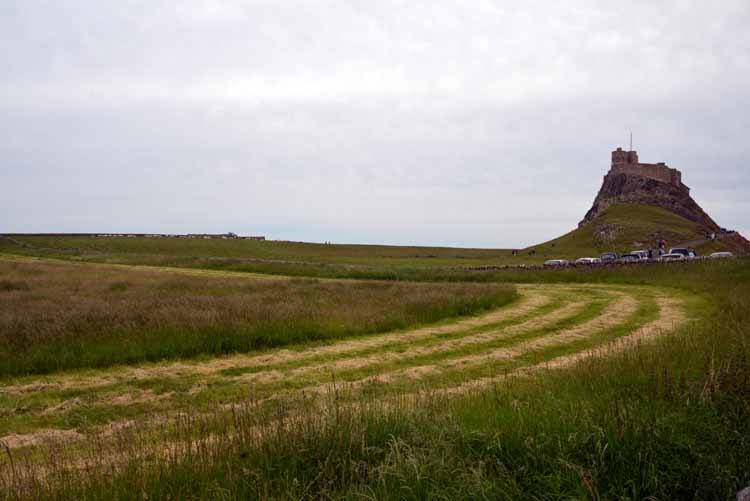
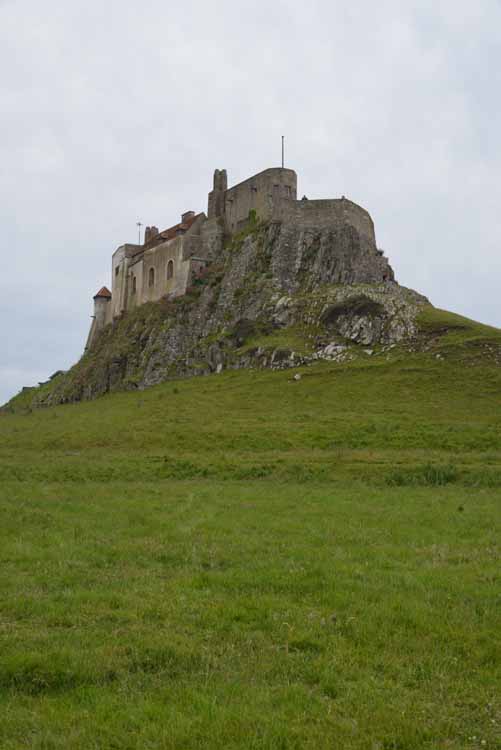
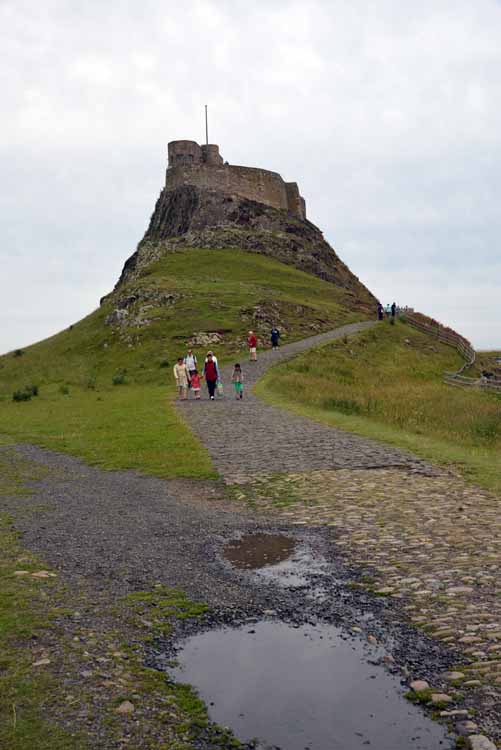
Lindisfarne Castle, on Holy Island Northumberland, is on top of a large
mound of volcanic dolerite known as Beblowe Craig. The castle was built
between 1542 and 1550 during the reign of Henry VIII to defend the
coastal area from attacks from Scotland. Originally it had earthen banks
which were replaced with stone in 1567 to support artillery
batteries. Accommodation, for the small garrison, was added (partially
using ashlar blocks of stone reused from the recently dissolved
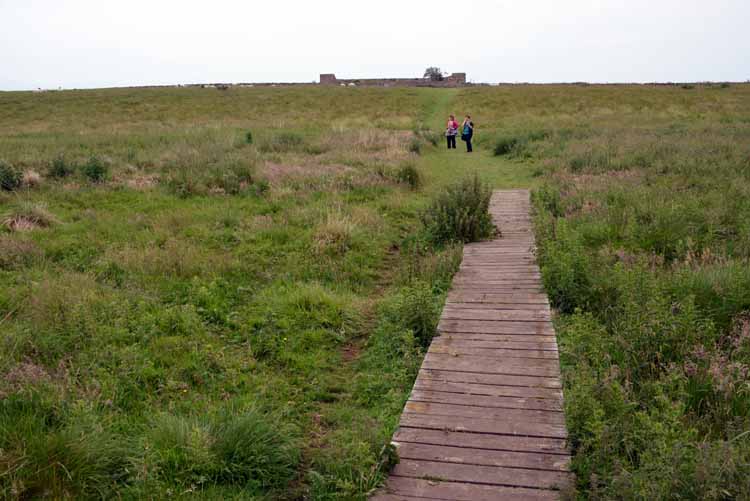
Benedictine Priory) and this included a small vegetable garden approximately 500m to the north of the castle. The castle was briefly
'stormed' in October 1715 during the Jacobite Rebellion by Launcelot
Errington; Errington found that only two of the garrison were in the
castle and he succeeded in ejecting them. Errington held the castle for
less than a day when he, and other Jacobite supporters, were captured by
the returning garrison.
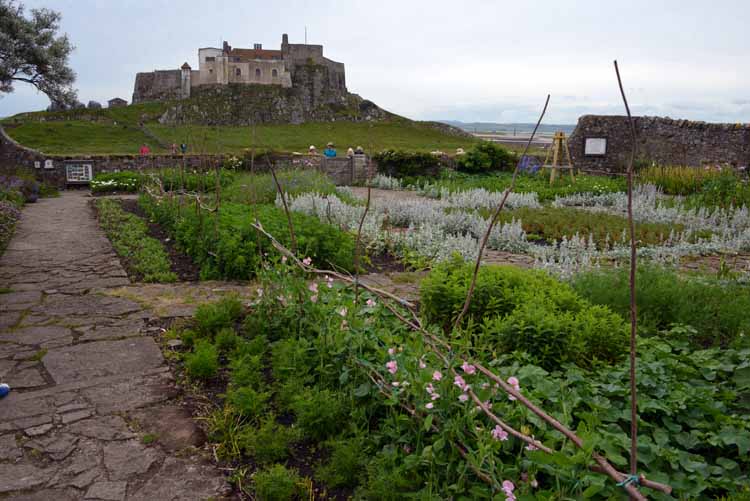
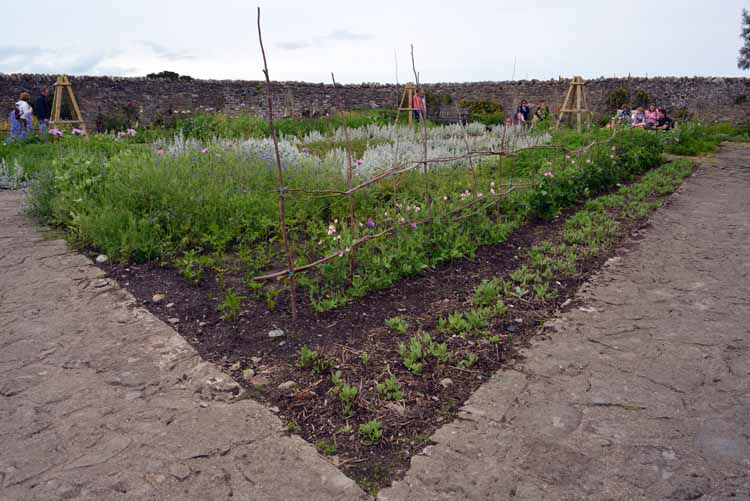
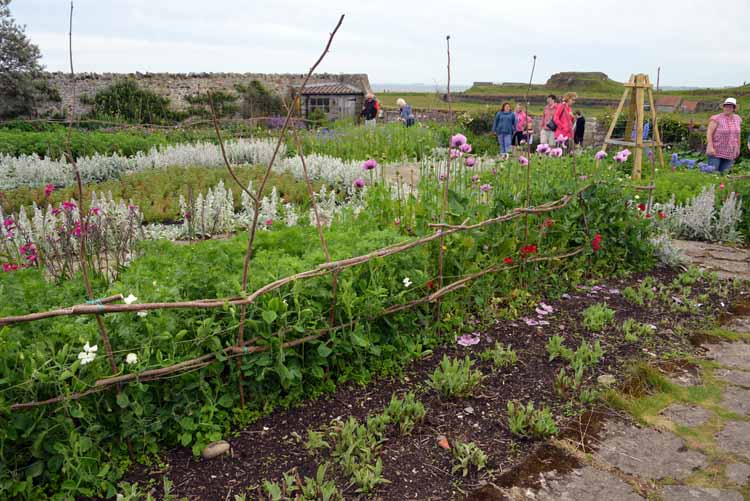
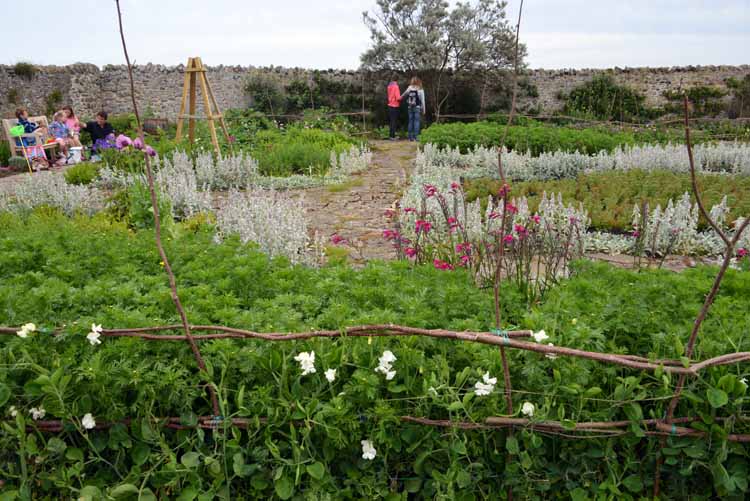
The site, with its prominent location, was used as a coastguard station from 1819 and in 1901 Edward Hudson, the founder of Country Life magazine, purchased it from the Crown and commissioned Sir Edward Lutyens to redesign it into an Edwardian residence. The Walled Garden (on the site of the vegetable garden) was re-designed by Gertrude Jekyll in 1911 and incorporated into Sir Edward Lutyens plans to maximise its visual impact from the castle's windows. After various owners the property was gifted to the National Trust in 1944. The garden had fallen into disuse but the National Trust had it recreated using its original planting plans.
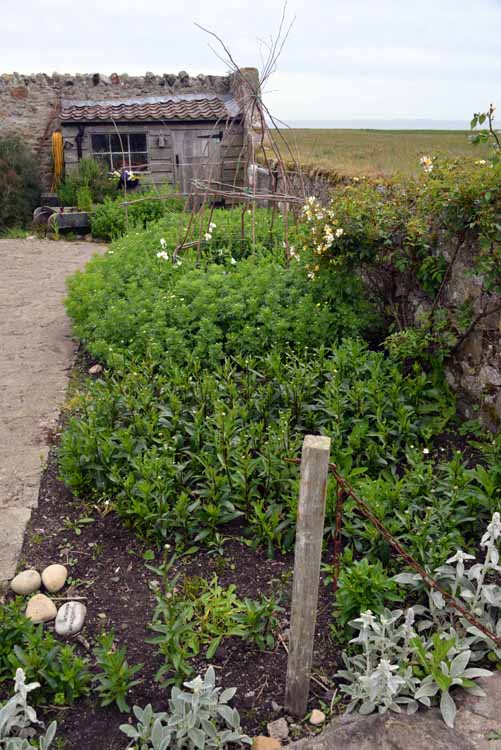
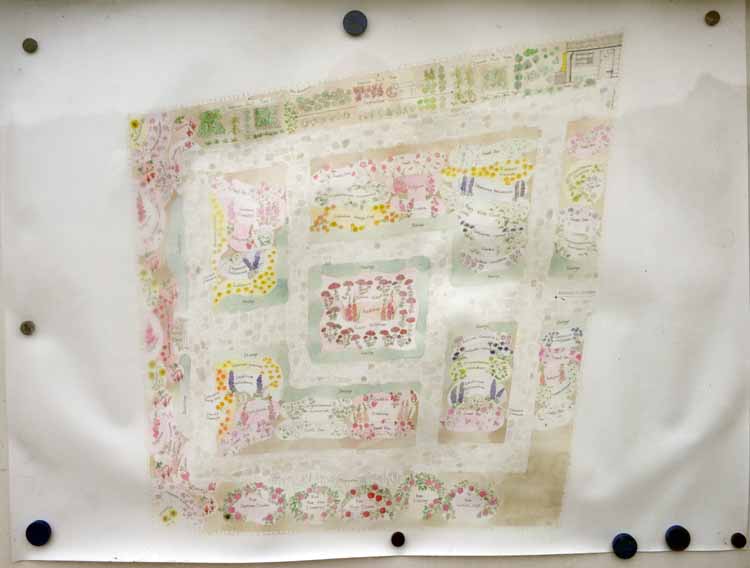
The garden is an irregular trapezoid and it is only approx. 75 feet wide and enclosed within a field-stone wall. Its design has borders along the four edges and five island beds at its core. Gertrude Jekyll's planting plan utilized local wildflowers, perennials, annuals, shrubs and roses - with a single border of vegetables. Judith Tankard wrote that the western border has hybrid tea and Bourbon roses, the northern border has perennials including hollyhocks, sunflowers, Japanese anemones and gladioli and the eastern border has fruits and vegetables. The island beds have gray-foliage plants and complimentary blue and white flowers.
References:
https://holy-island.info/lindisfarnecastle/
https://www.northofthetyne.co.uk/LindisfarneCastle.html
www.judithtankard.com/_images_arts/roy_oaks_newslet.pdf